
What visual intelligence is.
The category behind everything Vendidit builds. A verified record of a physical asset, produced from evidence rather than from what someone typed.
Visual intelligence is technology that produces a verified record of a physical asset from evidence gathered where the asset sits. It establishes what an item is, what condition it is in, what it is worth and who holds it, and binds that to the record the organization already keeps.
Visual intelligence turns the record into evidence. Identity is confirmed at every touch, condition is verified when the asset is seen again, value is derived from the item, the market and the channel with the basis recorded, and the decision is written back under the organization’s rules. Evidence does not need to be reconciled.
Why it matters
Every organization that manages physical assets has a system of record, and most have several. What they rarely have is a record that is true. A serial typed once, a condition assumed, a value taken from a category average, a disposition made by whoever was nearest. That is a record by assertion, and it has to be reconciled, audited and argued over for as long as it exists.
Visual intelligence turns the record into evidence. Identity is confirmed at every touch. Condition is verified when the asset is seen again. Value is derived from the item, the market and the channel, with the basis recorded. The decision is made under the organization’s rules and written back to the record. Evidence does not need to be reconciled.
What it is not
- Not a barcode or a tag. Those work only when someone applied one and it is still accurate. Most property, returns, claims and surplus arrive without one, or with one that no longer describes the item.
- Not a scanning app. An app that reads a label returns a label. Visual intelligence returns identity, condition, value, custody and a decision, bound to a record.
- Not generic computer vision. Recognition is one component. The record, the rules, the confidence and the person in the loop are what make it usable in an audit, a claim or a disposition.
- Not a replacement for your system of record. It extends the property, inventory or claims system you already run. Nothing is replaced to begin.
Capture. Understand. Decide.
No new hardware. No integration to begin. The engine does the work and a person makes the call where it matters.
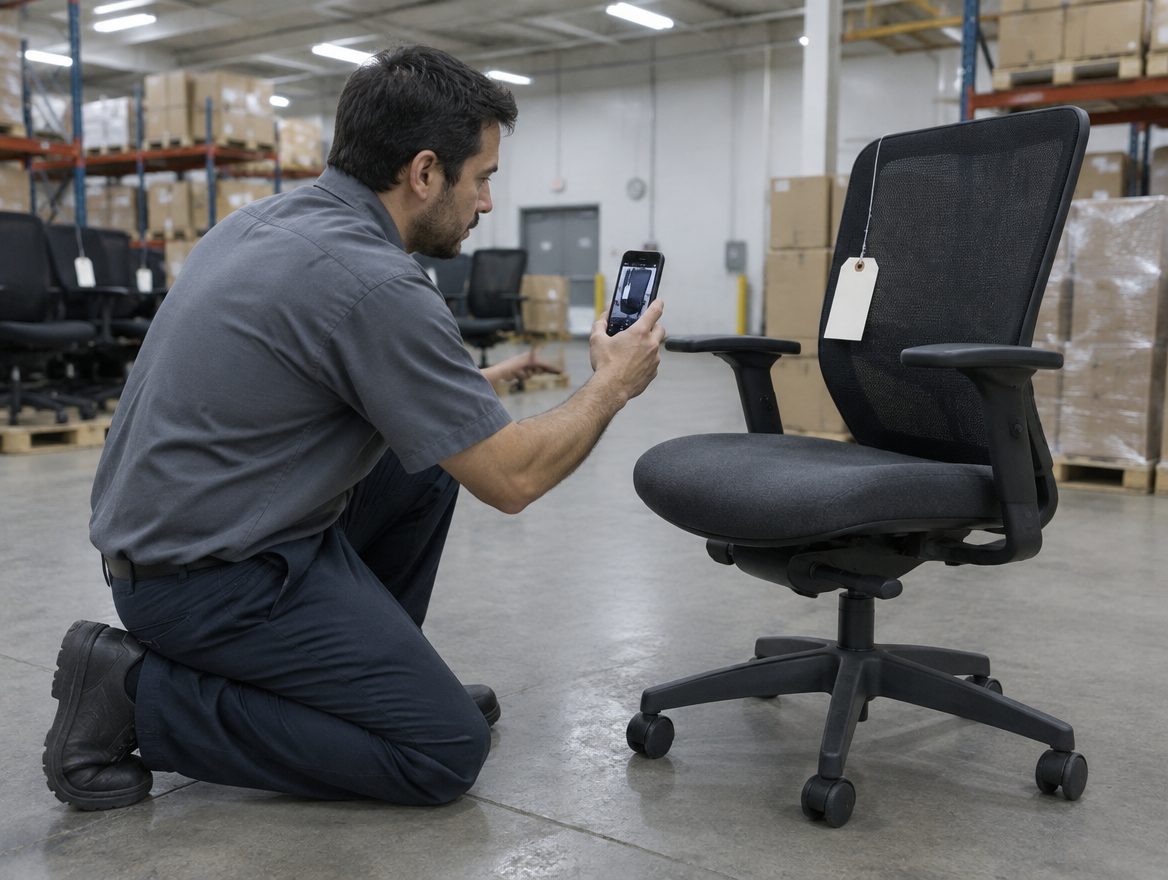
Where the asset sits
Evidence is gathered by the people already responsible for the asset, on the devices they already carry. A working record is in place on day one, keyed to your own identifier.
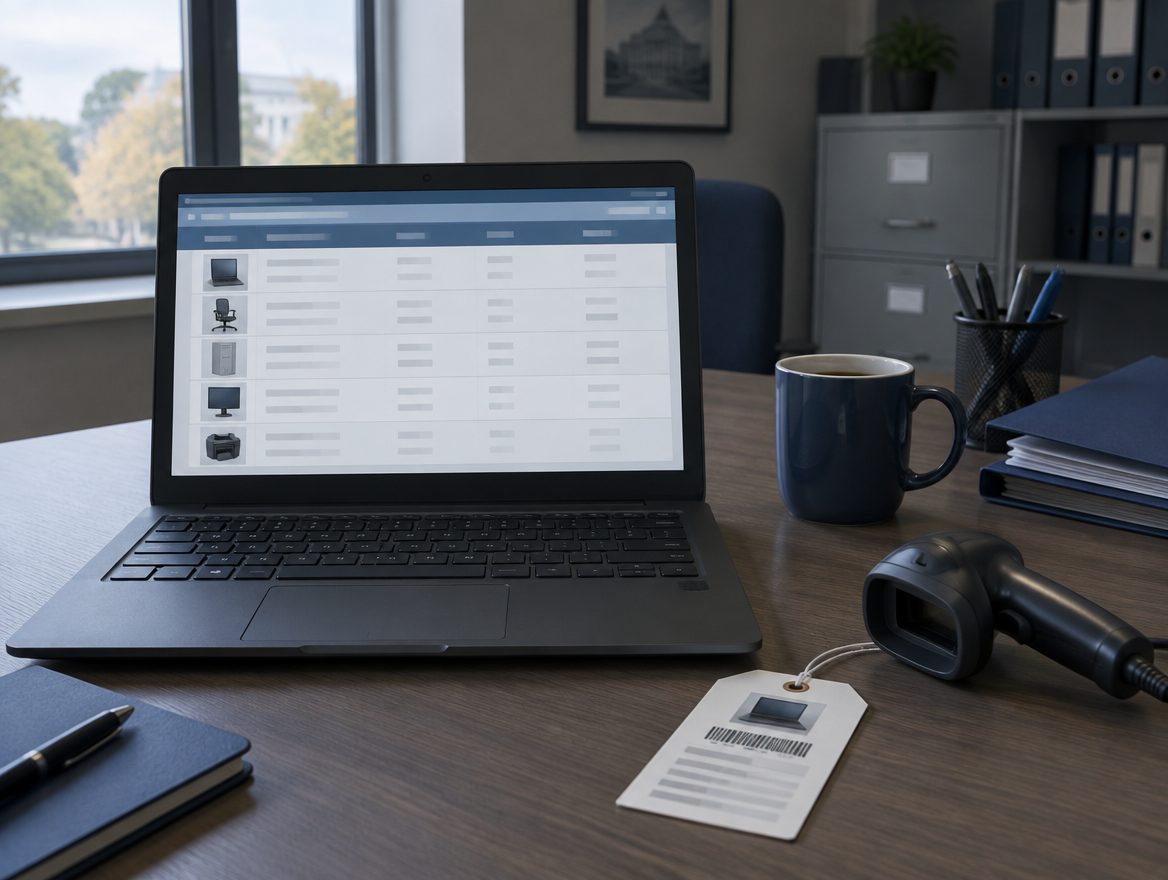
Identity, condition, value
The engine resolves identity against the categories it knows and your own catalog, grades condition, and returns a valuation with its basis. Each stage carries a confidence. Low confidence goes to a person.

Under your rules
Audit, verify, reissue, repair, reutilize, sell or dispose. The decision is written back to the record with the evidence attached, so the next decision is better than the last.
Anywhere an organization is accountable for assets it cannot fully see.
Government property and surplus. Evidence rooms. Insured contents before and after a loss. Returns, overstock and blind receipts in a warehouse. Brand inventory in the secondary market. The industries pages describe the applications in each sector.
Delivered as Asset Intelligence for public sector and regulated environments, and as 4 operating products for commercial markets, all on one platform. From discovery to production in weeks.
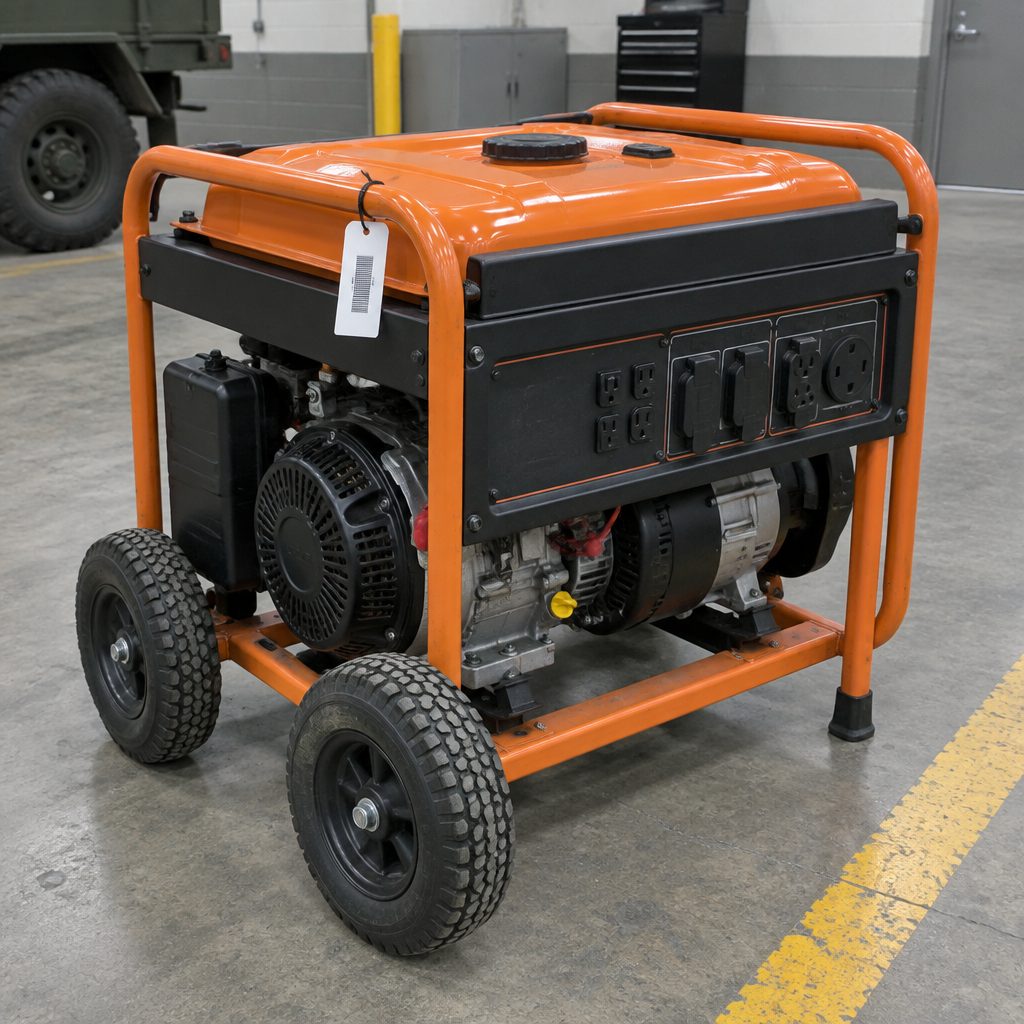
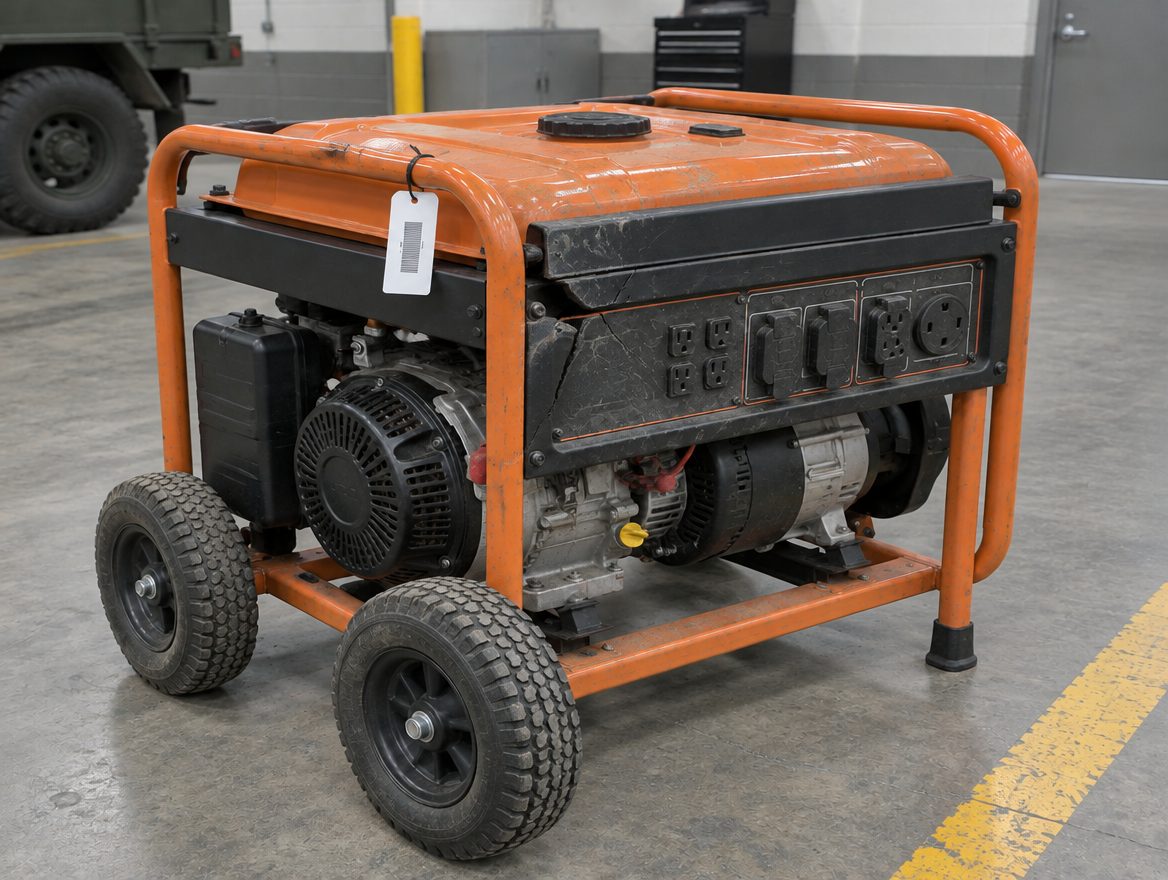 Capture 01 of 03 · Day 0
Questions we are asked
- 01
What is visual intelligence?
Visual intelligence is technology that produces a verified record of a physical asset from evidence gathered where the asset sits. It establishes what an item is, what condition it is in, what it is worth and who holds it, and binds that to the record the organization already keeps.
- 02
How is visual intelligence different from a barcode or RFID?
A barcode or tag only works when someone applied one and it still describes the item. Visual intelligence works on the item itself, so it applies to property, returns, claims and surplus that arrive with no tag, a wrong tag or a tag that no longer describes the condition of the asset.
- 03
Is visual intelligence the same as computer vision?
Computer vision is one component. Visual intelligence adds identity against a catalog, condition against a grading standard, a valuation with its basis, custody and events, and a decision made under the organization’s rules. The output is a record, not a label.
- 04
Does it need new hardware?
No. Evidence is gathered with the mobile devices and scanners an organization already has. There is nothing to buy or install to begin.
- 05
Does it need an integration to start?
No. The first record can be created on day one and keyed to the organization’s existing identifier. Integration with a property, inventory or claims system is available later, as a convenience rather than a prerequisite.
- 06
What happens when the engine is not sure?
Every result carries a confidence. Where confidence is low the platform says so and routes the item to a person. The point is to make sure the decisions that reach people are the ones that need them.
- 07
Where is visual intelligence in production today?
In state government, insurance, retail and logistics. Details are on the case studies page. Customer names appear only with written permission.
- 08
Can it run without external connectivity?
Yes. Restricted deployments run in an isolated environment with no external connectivity, for requirements that exclude shared infrastructure.
Put visual intelligence to work on the assets you are accountable for.
Our solutions architects work directly with the organizations we serve and their delivery partners. A consultation is a conversation about your assets and your requirements. A demo is the platform on your items.